Pavilion Sealing in Seattle, WA
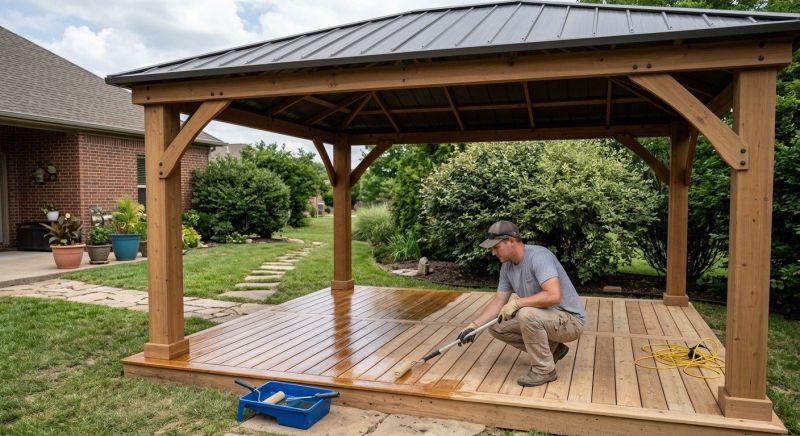
Pavilion sealing services involve applying specialized sealants to the surfaces of outdoor pavilions, decks, and similar structures to protect them from moisture, weather damage, and general wear. This service is commonly requested for projects that include sealing wood, concrete, or composite materials to extend the lifespan of the structure and maintain its appearance. Homeowners typically seek pavilion sealing when preparing for seasonal changes, addressing existing damage, or simply wanting to preserve the integrity of their outdoor spaces.
Before requesting pavilion sealing, property owners usually want to understand the types of sealants used, the recommended maintenance schedule, and whether the surface requires cleaning or repairs beforehand. It’s also helpful to know if the sealing process is suitable for the specific materials of the pavilion and how often reapplication might be necessary to ensure ongoing protection. Clear information on these aspects can help homeowners make informed decisions about maintaining their outdoor structures effectively.
Many property owners in Seattle, WA look into Pavilion Sealing for repairs, replacements, upgrades, and appearance-related improvements.
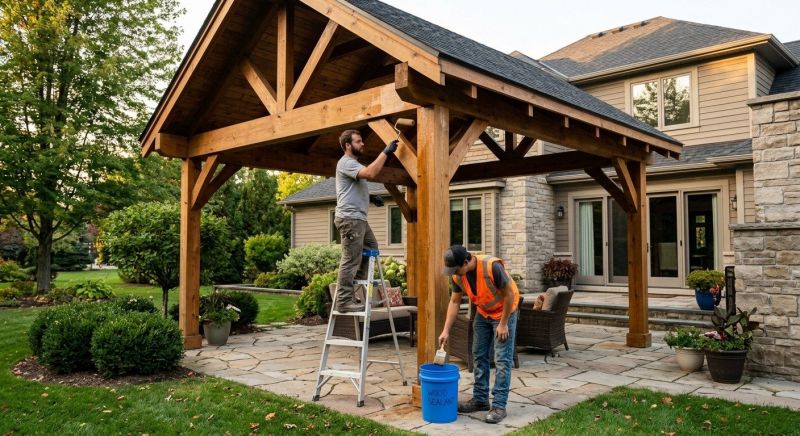
Pavilion Sealing Solutions
Protects pavilions from water damage and weathering to extend their lifespan.
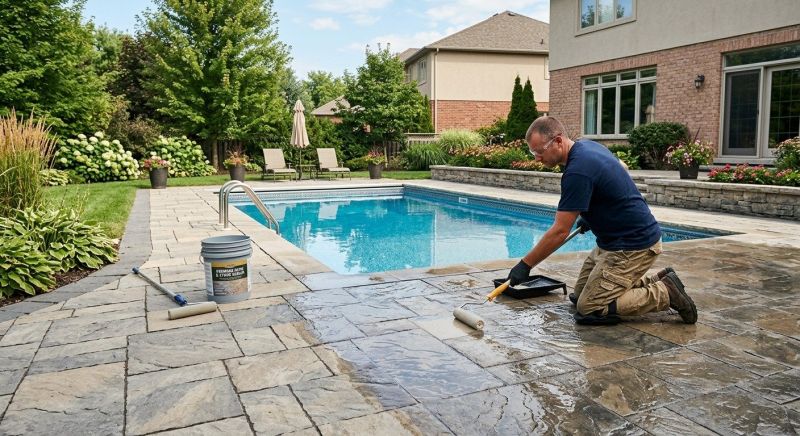
Enhancing Pavilion Durability
Sealing helps prevent cracks, leaks, and deterioration caused by seattle’s rainy climate.
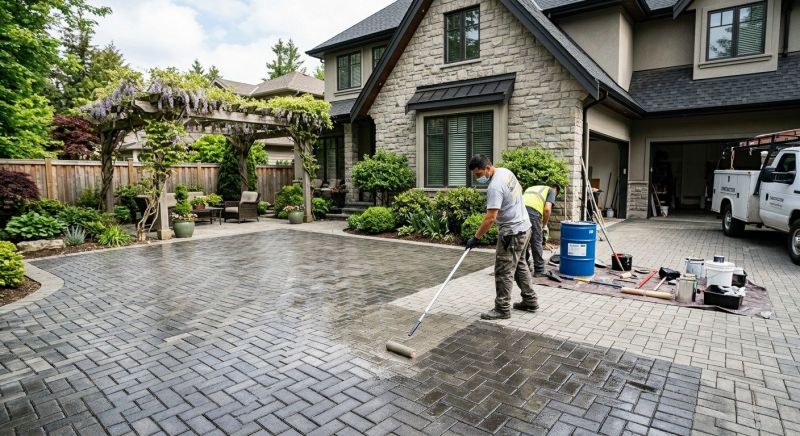
Maintenance For Outdoor Structures
Regular sealing keeps pavilions looking new and maintains their structural integrity over time.
Pavilion Sealing in Seattle, WA

Pavilion sealing services involve applying specialized sealants to the surfaces of outdoor pavilions, decks, and similar structures to protect them from moisture, weather damage, and general wear. This service is commonly requested for projects that include sealing wood, concrete, or composite materials to extend the lifespan of the structure and maintain its appearance. Homeowners typically seek pavilion sealing when preparing for seasonal changes, addressing existing damage, or simply wanting to preserve the integrity of their outdoor spaces.
Before requesting pavilion sealing, property owners usually want to understand the types of sealants used, the recommended maintenance schedule, and whether the surface requires cleaning or repairs beforehand. It’s also helpful to know if the sealing process is suitable for the specific materials of the pavilion and how often reapplication might be necessary to ensure ongoing protection. Clear information on these aspects can help homeowners make informed decisions about maintaining their outdoor structures effectively.
Many property owners in Seattle, WA look into Pavilion Sealing for repairs, replacements, upgrades, and appearance-related improvements.
Common Pavilion Sealing Jobs
Pavilion sealing - seals gaps and joints to prevent water intrusion around pavilions.
Deck sealing - applies protective coatings to extend the lifespan of pavilion decks.
Roof sealing - ensures the pavilion roof is watertight and resistant to weather damage.
Foundation sealing - blocks drafts and moisture from entering through pavilion foundations.
Surface sealing - protects pavilion surfaces from staining, cracking, and wear.
Joint sealing - fills and seals expansion joints to maintain structural integrity.
Pavilion Sealing Questions
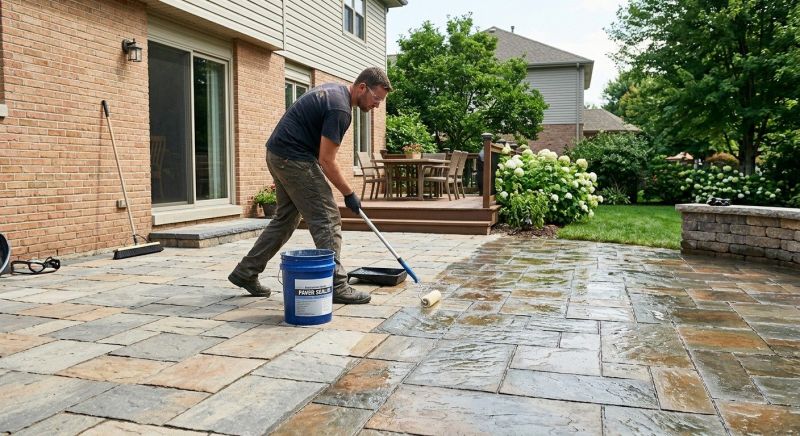
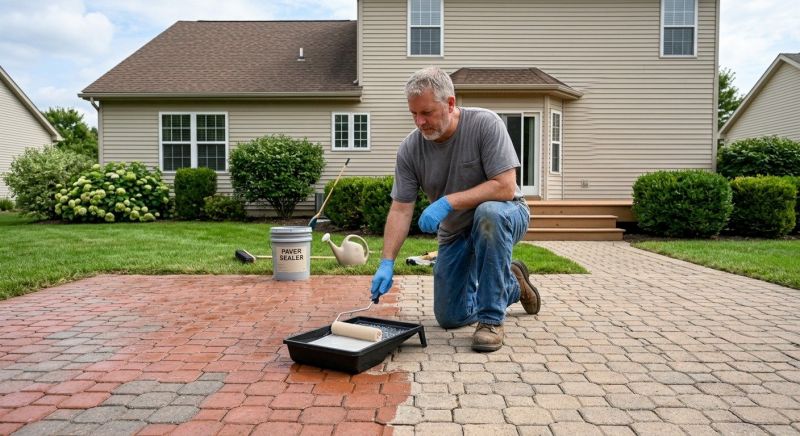
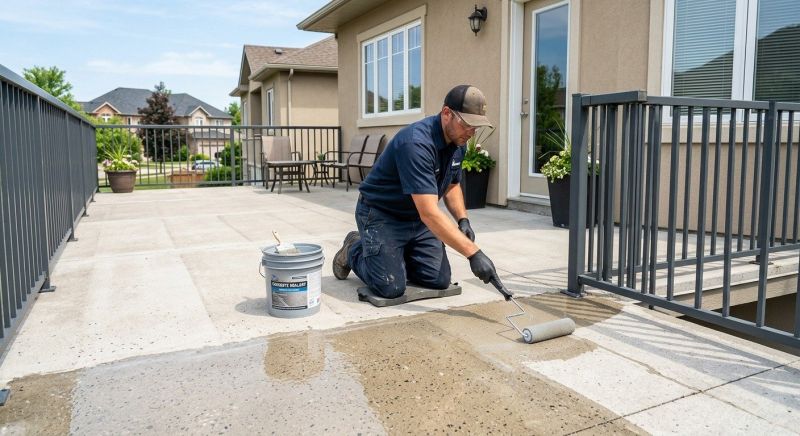
What is pavilion sealing? Pavilion sealing involves applying a protective coating to the pavilion surface to prevent water infiltration and damage.
When should pavilion sealing be considered? Sealing is recommended when signs of wear, cracking, or water leaks appear on the pavilion surface.
What types of pavilions benefit from sealing? All types of pavilions, including wood, concrete, and metal, can benefit from sealing to extend their lifespan.
How does sealing protect the pavilion? Sealing creates a barrier that resists moisture, UV rays, and other environmental elements that can cause deterioration.
Request Pavilion Sealing in Seattle, WA
Use the quote form on this page to share the basics of your project and request more information for the type of work you need.