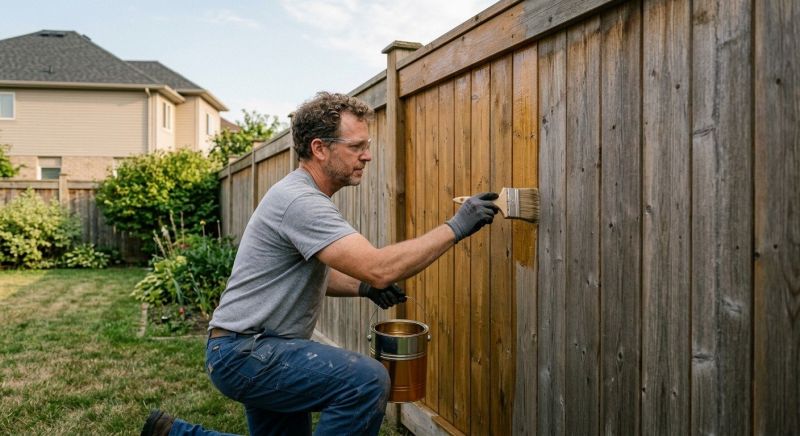
Fence Sealing in Seattle, WA
Fence sealing services involve applying protective coatings or sealants to existing fences to help preserve their appearance and structural integrity. This process is suitable for a variety of fencing materials, including wood, vinyl, or composite, and is often requested for projects aiming to extend the lifespan of fences exposed to weather elements. Homeowners typically seek fence sealing to prevent moisture penetration, reduce cracking or warping, and maintain the fence’s visual appeal over time. Before requesting this service, property owners should consider the current condition of their fence, the type of material, and whether any repairs or cleaning are needed prior to sealing.
Understanding the scope of fence sealing projects is important for property owners considering this service. Proper preparation, such as cleaning or repairing damaged sections, can enhance the effectiveness of the sealant. It’s also useful to know the type of sealant used, its suitability for the specific fencing material, and any maintenance requirements afterward. Homeowners often inquire about the best timing for sealing, especially during dry seasons, and want to ensure that the product applied provides long-lasting protection against moisture, UV rays, and other environmental factors.
Many property owners in Seattle, WA look into Fence Sealing for repairs, replacements, upgrades, and appearance-related improvements.
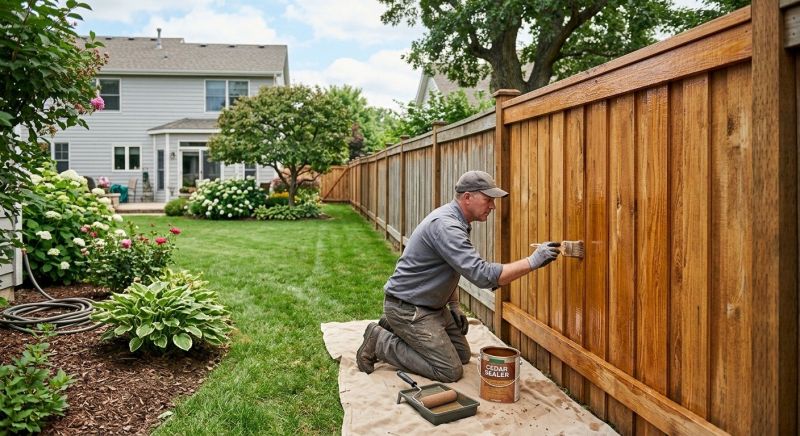
Protecting Your Fence
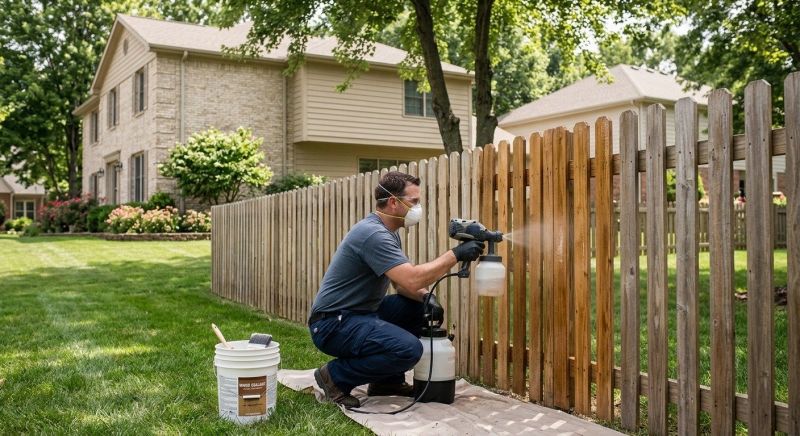
Sealing helps prevent moisture damage and extends the lifespan of wood fences in seattle's rainy climate.
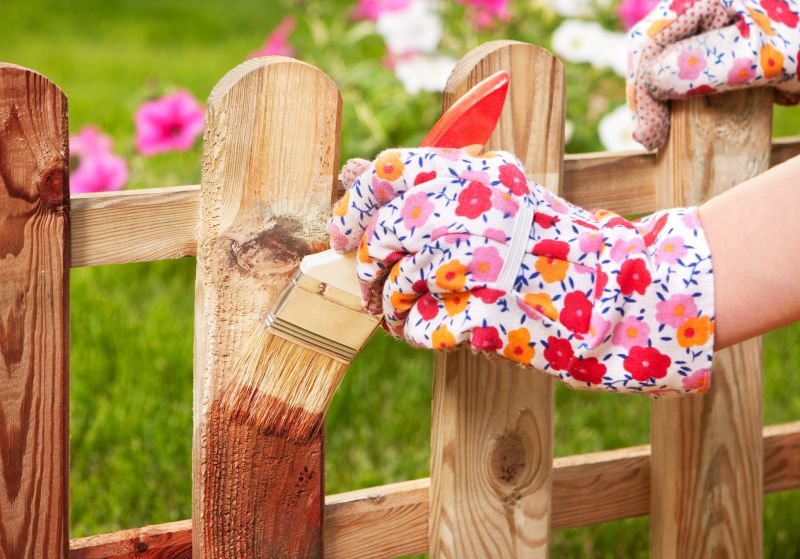
Enhancing Fence Appearance
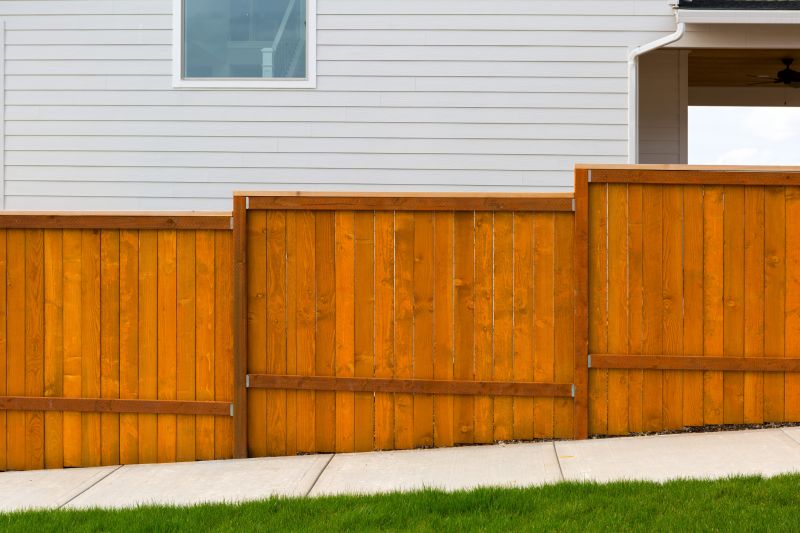
A well-sealed fence maintains its color and appearance, making your property look more inviting.
Reducing Maintenance Needs
Sealing minimizes the need for repairs by shielding fences from weather-related wear and tear.
Fence Sealing in Seattle, WA

Fence sealing services involve applying protective coatings or sealants to existing fences to help preserve their appearance and structural integrity. This process is suitable for a variety of fencing materials, including wood, vinyl, or composite, and is often requested for projects aiming to extend the lifespan of fences exposed to weather elements. Homeowners typically seek fence sealing to prevent moisture penetration, reduce cracking or warping, and maintain the fence’s visual appeal over time. Before requesting this service, property owners should consider the current condition of their fence, the type of material, and whether any repairs or cleaning are needed prior to sealing.
Understanding the scope of fence sealing projects is important for property owners considering this service. Proper preparation, such as cleaning or repairing damaged sections, can enhance the effectiveness of the sealant. It’s also useful to know the type of sealant used, its suitability for the specific fencing material, and any maintenance requirements afterward. Homeowners often inquire about the best timing for sealing, especially during dry seasons, and want to ensure that the product applied provides long-lasting protection against moisture, UV rays, and other environmental factors.
Many property owners in Seattle, WA look into Fence Sealing for repairs, replacements, upgrades, and appearance-related improvements.
Common Fence Sealing Jobs
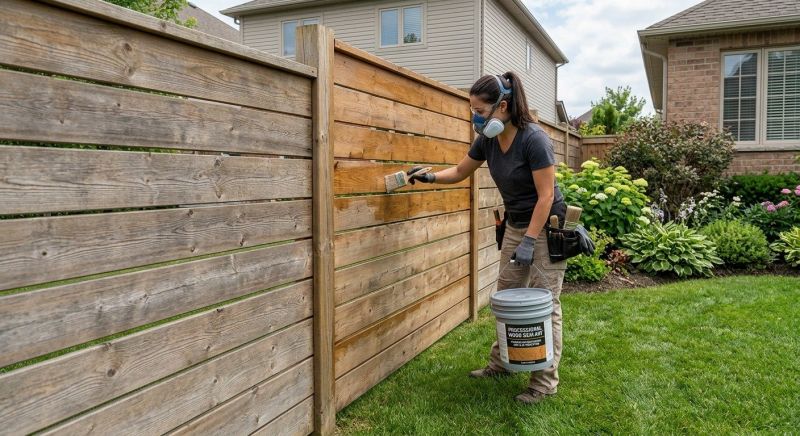
Wood fence sealing - protects wood fences from moisture damage and extends their lifespan.
Chain-link fence sealing - helps prevent rust and corrosion for a durable, long-lasting fence.
Picket fence sealing - preserves the appearance and integrity of painted or stained picket fences.
Privacy fence sealing - shields fences from weather elements to maintain privacy and structural stability.
Vinyl fence sealing - reduces dirt buildup and keeps fences looking clean and new.
Custom fence sealing - tailored solutions to address specific material types and property needs.
Fence Sealing Questions
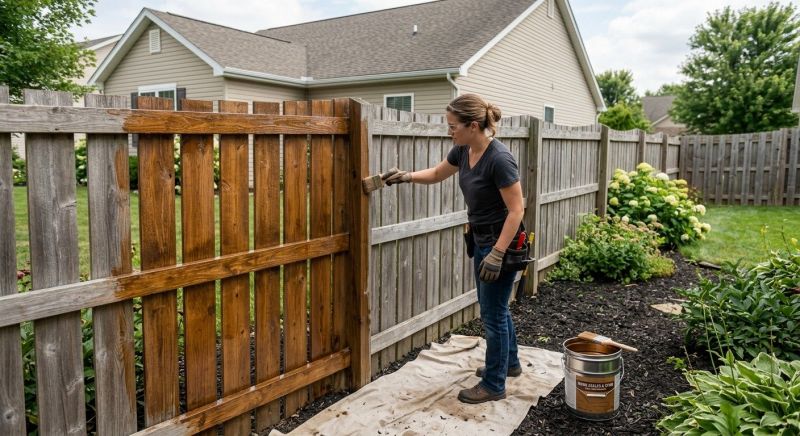
What is fence sealing? Fence sealing involves applying a protective coating to help prevent weather damage, rot, and decay, extending the life of the fence.
Which types of fences benefit from sealing? Wooden fences are most commonly sealed, but some composite and vinyl fences can also benefit from protective treatments.
How often should a fence be sealed? Typically, fences should be sealed every 1 to 3 years, depending on the material and exposure to the elements.
What are the advantages of sealing a fence? Sealing helps preserve the appearance, prevents moisture penetration, and reduces the likelihood of damage over time.
Request Fence Sealing in Seattle, WA
Use the quote form on this page to share the basics of your project and request more information for the type of work you need.